
Why electric is the safer, smarter choice

By Jonathan-Forbes Brown, founder of ITE

I’ve spent years working in roofing, and one question has always stuck with me - why are we still using naked flames on roofs?
For many contractors, fire risk is just accepted as part of the job. But it doesn’t have to be. I believe there’s a better way to work, one that removes risk rather than manages it, and that’s why I’ve focused on developing electric alternatives.
A safer way to work
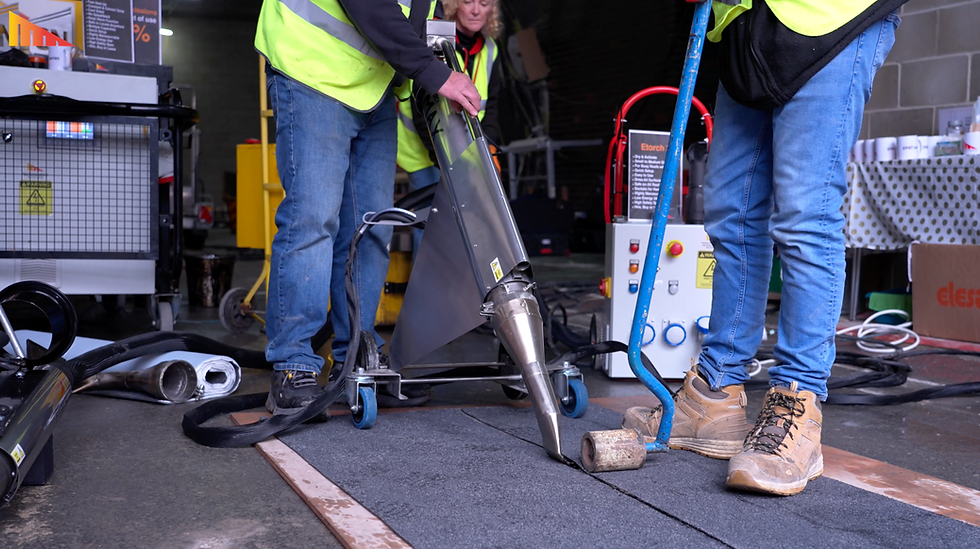
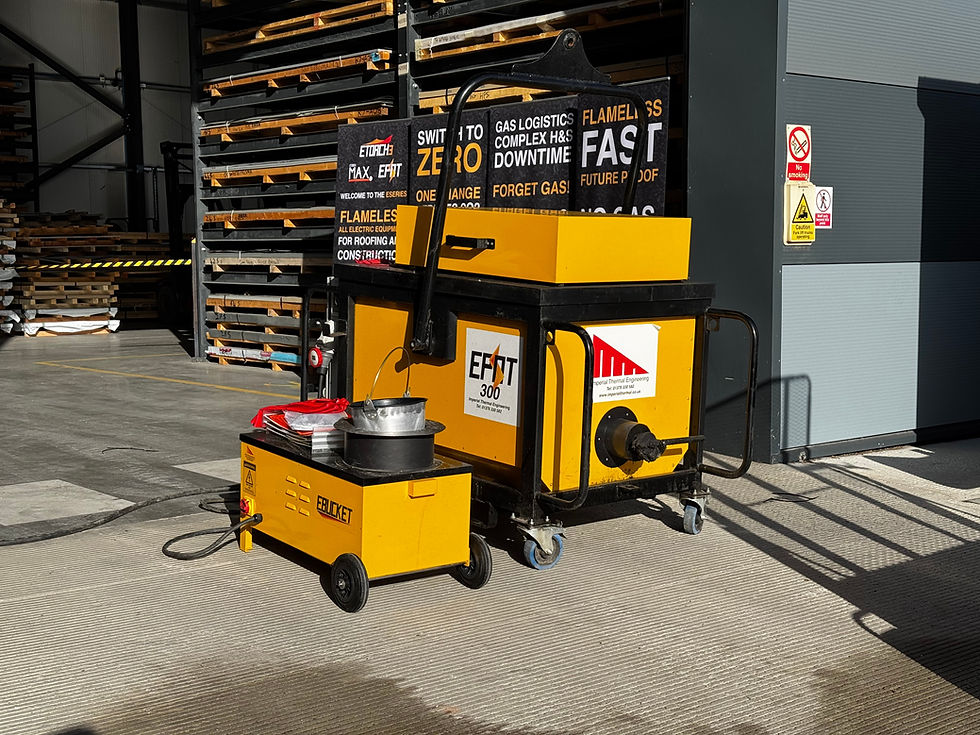
The biggest advantage of electric roofing equipment is simple - no flame.
By removing gas from the process, we eliminate the primary ignition source on site. There are no cylinders to transport, lift, store or secure, and no open flames to monitor. That alone makes a huge difference to safety.
It also simplifies compliance. Many gas-based projects require long fire-watch periods after installation. With electric equipment, that requirement can often be reduced, giving teams more productive time on site.
From my experience, this creates a more controlled, predictable working environment. Teams can focus on the job itself, rather than constantly managing risk.

Meeting modern expectations
The industry is changing. Clients, developers and contractors are under increasing pressure to reduce emissions and improve safety standards.
In many sectors, electric is no longer just an option, it’s expected. I’ve seen an increasing number of projects where ‘no flame’ policies are in place, particularly in environments like healthcare, education, data centres and infrastructure.
Electric systems naturally align with these requirements. They remove gas from the process entirely, helping contractors meet both safety and environmental expectations without compromise.
Power isn’t the barrier people think
One of the most common concerns I hear is around power supply.
In reality, most commercial sites already have the infrastructure needed to run electric equipment. Where they don’t, temporary or on-site generation can fill the gap.
From my perspective, it’s less about the availability of power and more about planning. Once that’s in place, electric systems are straightforward to integrate into a project.
The real cost of roofing
There’s a perception that electric equipment is more expensive than gas. On paper, that can sometimes be true, but it doesn’t tell the full story.
When you look at the bigger picture, the savings become clear. Reduced fire-watch requirements, simpler compliance, and improved safety all contribute to lower overall costs. There’s also the potential for better insurance outcomes when fire risk is significantly reduced.
In my view, electric isn’t just a safer option, it’s a smarter commercial decision too.
Moving the industry forward
Roofing has relied on gas for decades, so it’s no surprise that change can feel like a big step. But the technology is already here, and it works.
The roadblock is really about changing how we think. Instead of managing the risks that come with open flames, we now have the opportunity to remove them altogether.
As the industry continues to evolve, I believe electric roofing will play a key role in shaping a safer, more efficient future for everyone on site.


nice text bro